
A timeline story
This timeline traces the development of my training, teaching, and keynote work over time. This is not a complete list, but a series of moments that have shaped how I think about teaching, learning, and connection.
2004

First role in mental health (support worker)
Began working full-time as a support worker in mental health services. This was my first sustained experience of being alongside people in distress, grounding my understanding of care, relationships, and the realities of day-to-day support.
2006
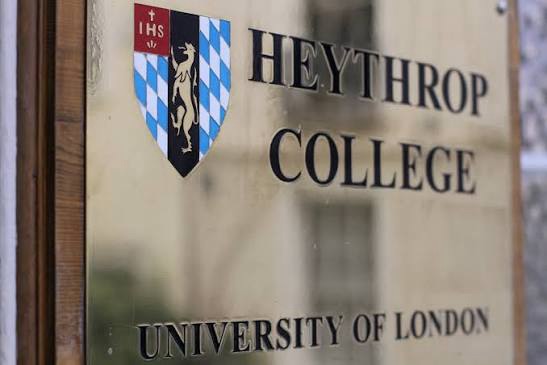
Early academic curiosity begins
During my MA in Psychology of Religion (2004-2006), I began exploring the relationship between mysticism and madness. This sparked a lasting curiosity about whether distressing experiences might carry meaning, rather than simply needing to be reduced or removed.
2006

First role in psychosis services
Began working in an NHS Early Intervention Psychosis service in London. This was a formative experience of working closely with people navigating distressing and often confusing experiences, deepening my interest in understanding psychosis beyond diagnostic frameworks.
2009
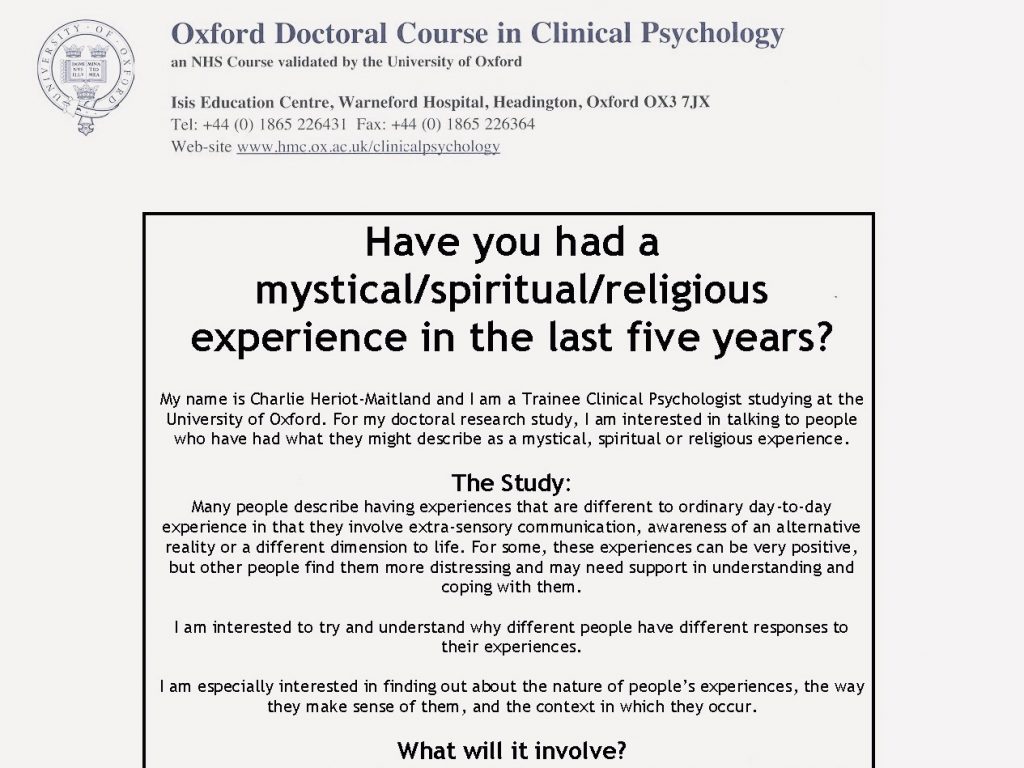
Research on psychosis -spirituality links
During my clinical doctorate at the University of Oxford (2007-2010), I continued developing an interest in psychosis as part of the human continuum – questioning where we draw the line between ‘clinical’ and ‘everyday’ experience.
2011
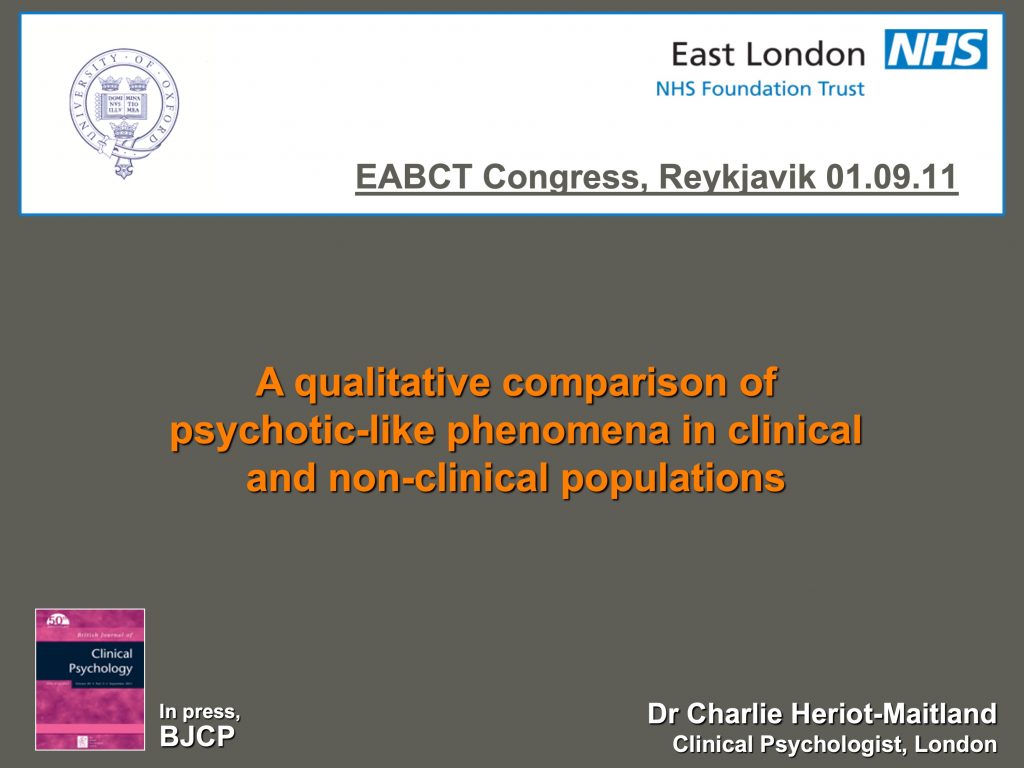
First conference presentation
Delivered my first conference presentation at the EABCT Congress. An early experience of sharing ideas in a wider professional space, and beginning to find a voice within the field.
2012
Founding Balanced Minds
Co-founded Balanced Minds with a shared vision of bringing compassion-focused approaches into therapy, training, and wider systems. This marked the beginning of more structured teaching and training work.
2012
First workshops
Began delivering workshops both within NHS inpatient services and to the general public. This highlighted the potential for these ideas to connect across different audiences and contexts.
2013

First invited keynotes
Received my first invitations to deliver keynote talks. A shift from contributing to conversations, to helping shape them – and refining how ideas are communicated to larger audiences.
2013-2014

Early training spaces
Continued developing workshops and training sessions for clinicians and teams. Learning that how a space is held often matters as much as the content being shared.
2014

CFT for Psychosis training pathway (UK)
Began delivering a structured training pathway focused on compassion-focused approaches to psychosis – marking a move from individual sessions to more coherent, developmental learning journeys.
2015-2016
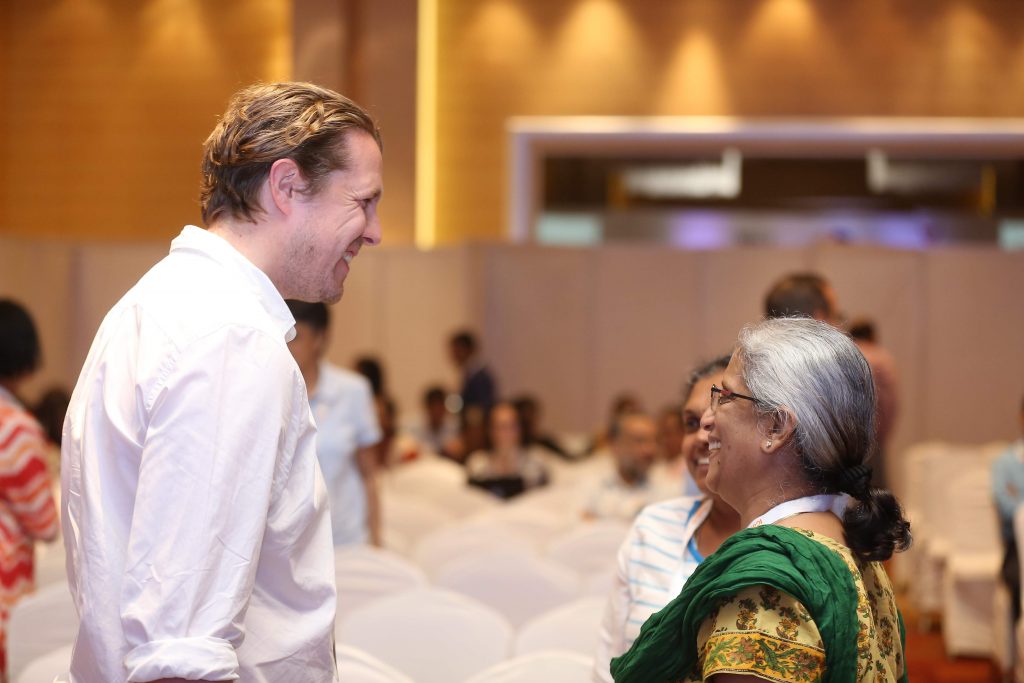
International teaching begins
Opportunities to teach internationally began to emerge. These experiences broadened my perspective on both practice and teaching across different systems and cultures.
2016

Growing reach across services
Training expanded across NHS services, charities, and multidisciplinary teams. Increasing awareness of how ideas land differently depending on context, culture, and team dynamics.
2019
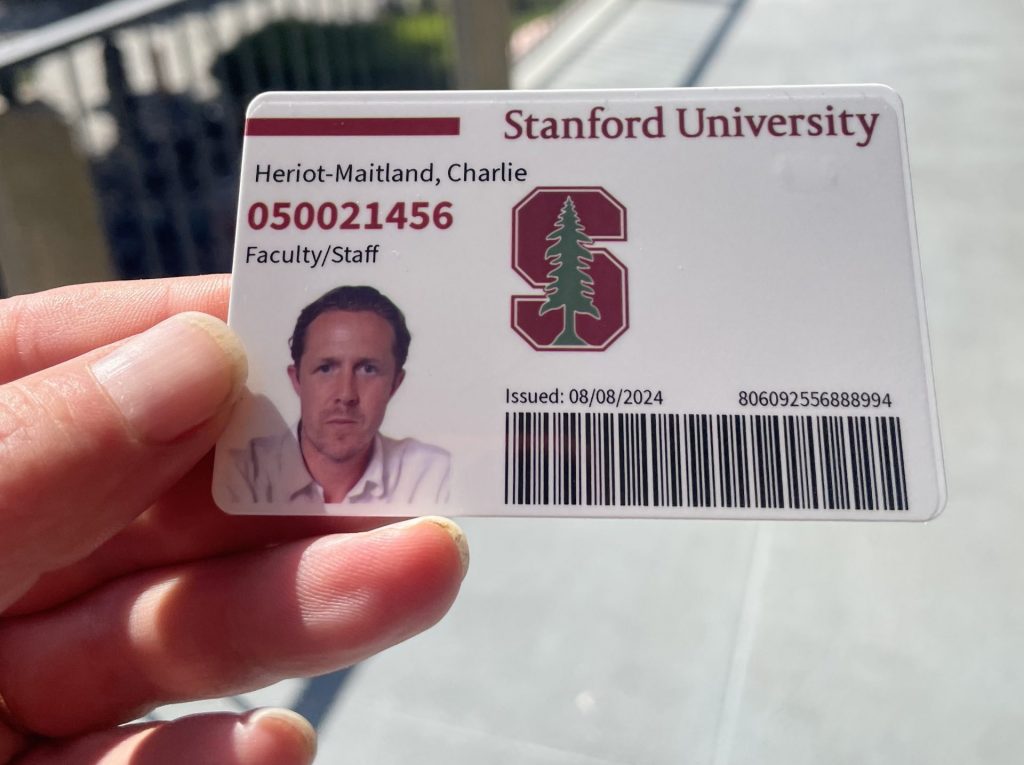
Stanford collaboration
Began contributing to CFT for Psychosis training with clinicians at Stanford. This became an ongoing collaboration and an important space for shared learning across contexts.
2018-2020
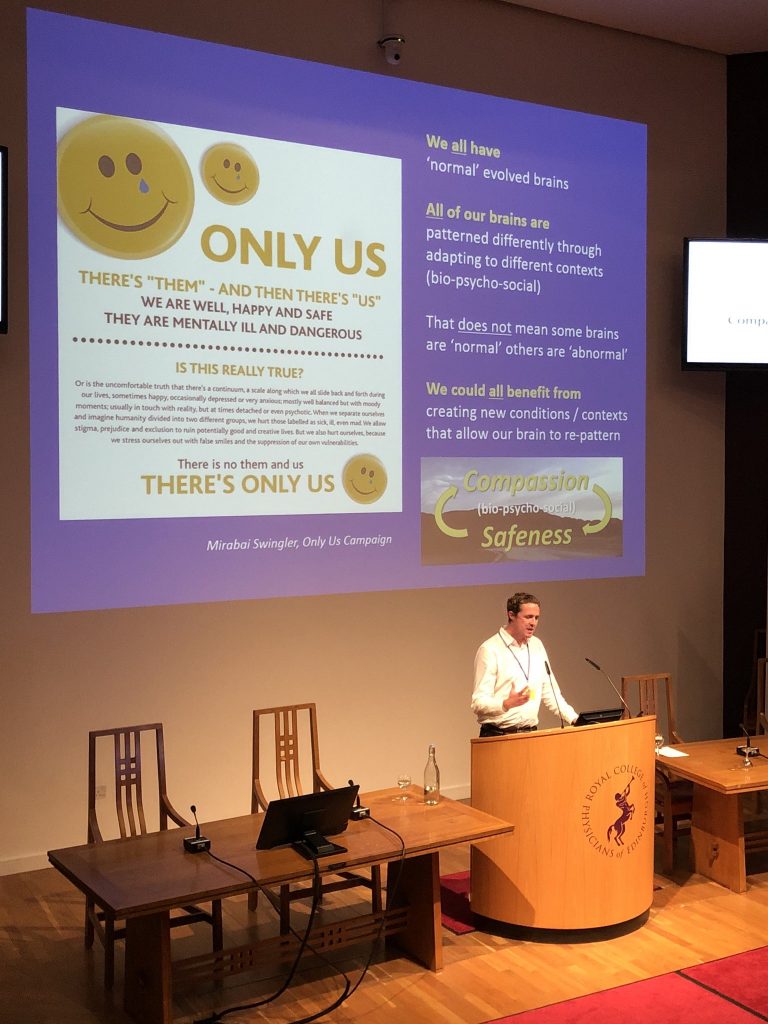
Keynotes & larger audiences
Increasing invitations to speak at conferences and larger events. Learning to translate complex ideas into forms that can connect clearly and meaningfully with diverse audiences.
2020
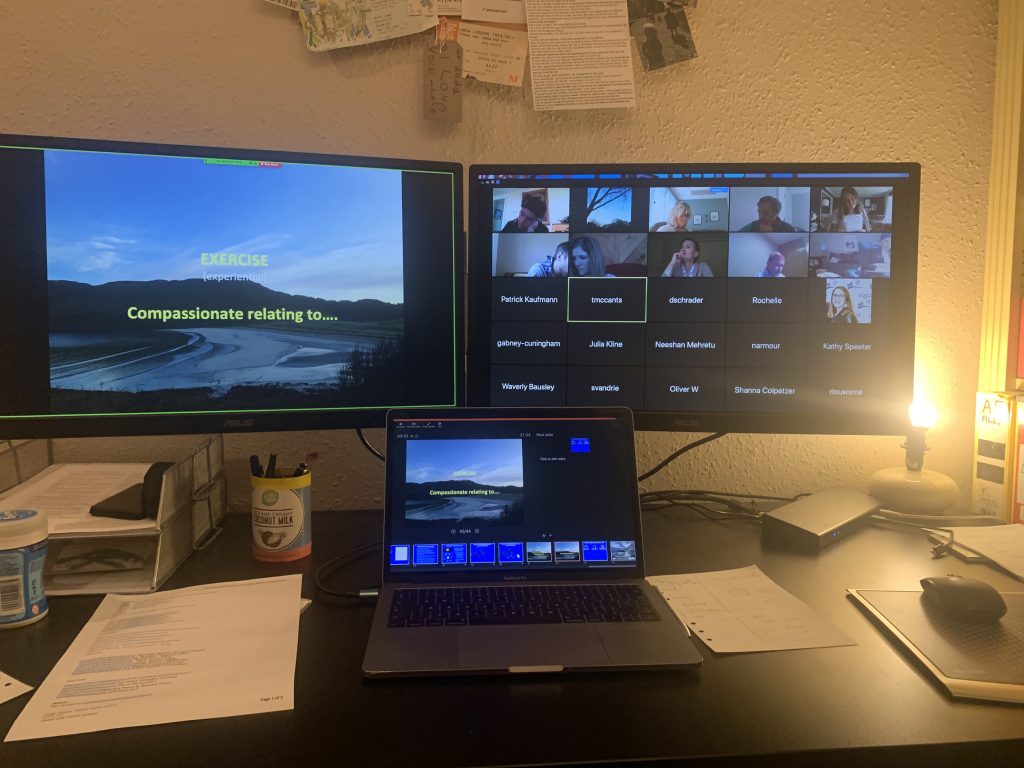
Shift to online training (COVID)
The move to online delivery brought new challenges, but also opened up possibilities for accessibility, reach, and different ways of engaging people in learning spaces.
2020-2022
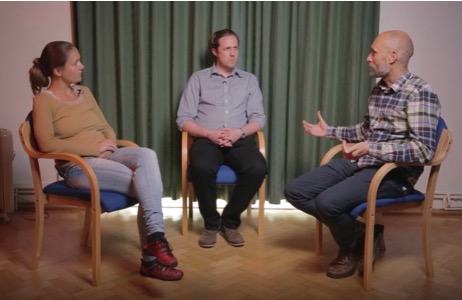
Deepening experiential work
Increasing focus on experiential methods – including imagery, chairwork, embodiment, and role-play. A shift away from teaching as explanation, towards learning as lived experience.
2021
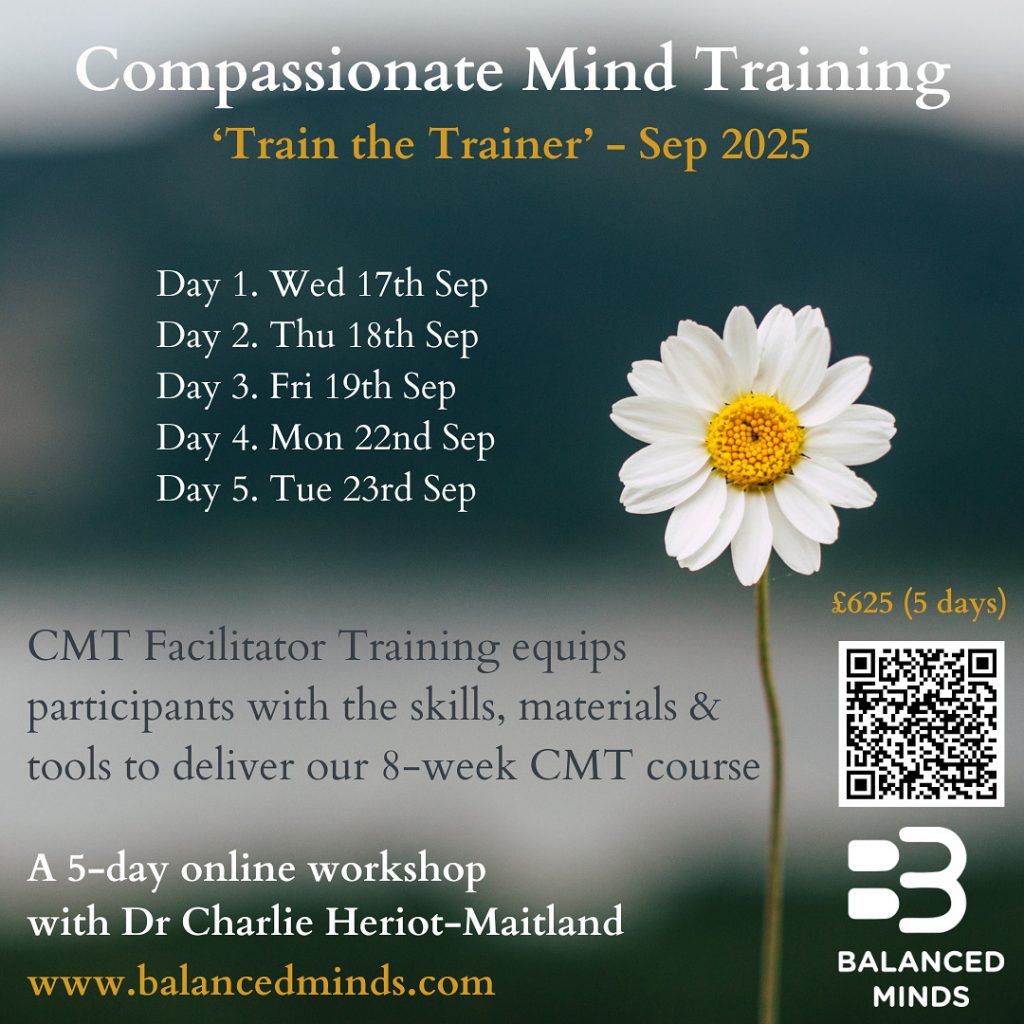
CMT Train-the-Trainer Programme
Began delivering a 5-day facilitator training programme. A shift towards supporting others to carry and share the work within their own settings.
2022
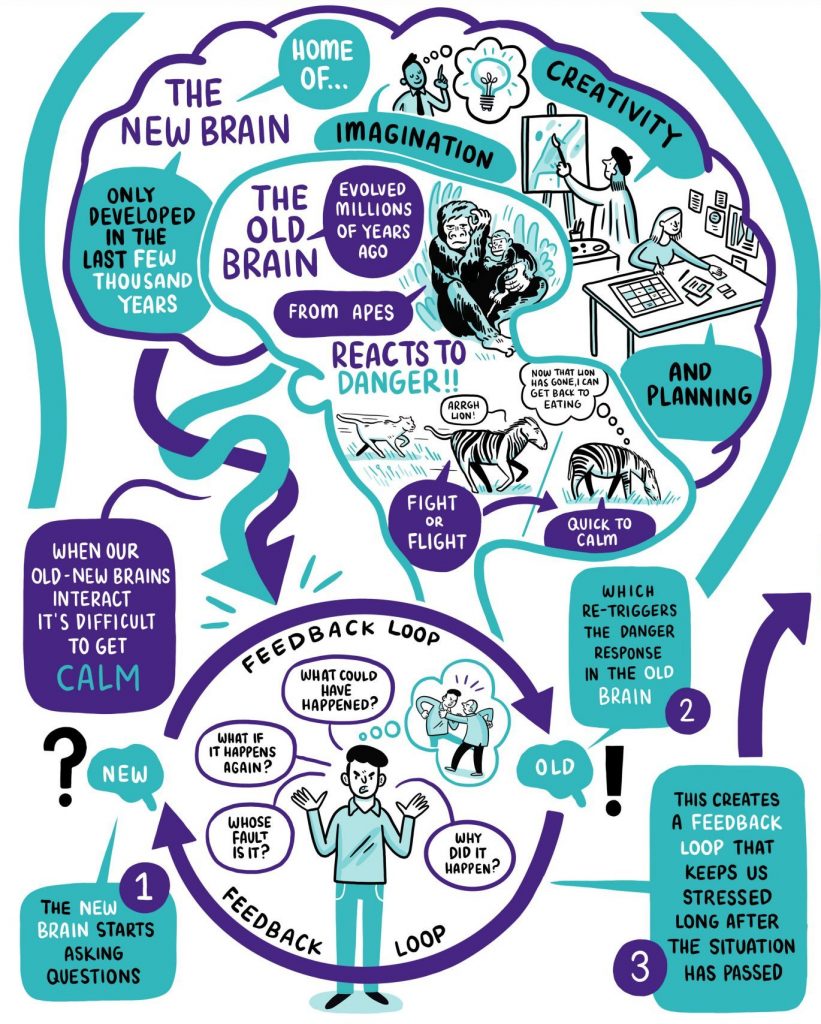
Integrating creativity into teaching
Began incorporating more creative elements – including metaphors, visual tools, and early doodles – to help ideas land in a more intuitive and accessible way.
You must be logged in to post a comment.